
كيفية اختيار آلة تعبئة الأكياس الشبكية المناسبة للبصل والبطاطس والحمضيات والمأكولات البحرية?
آلة تعبئة أكياس شبكة البصل
نظام التعبئة الآلية للبطاطا
آلة تعبئة شبكة الفواكه الحمضية
مكان المنشأ:
الصين
اسم العلامة التجارية:
TOUPACK
إصدار الشهادات:
CE IOS9001
رقم الموديل:
آلة تعبئة حقائب الشبكة التلقائية

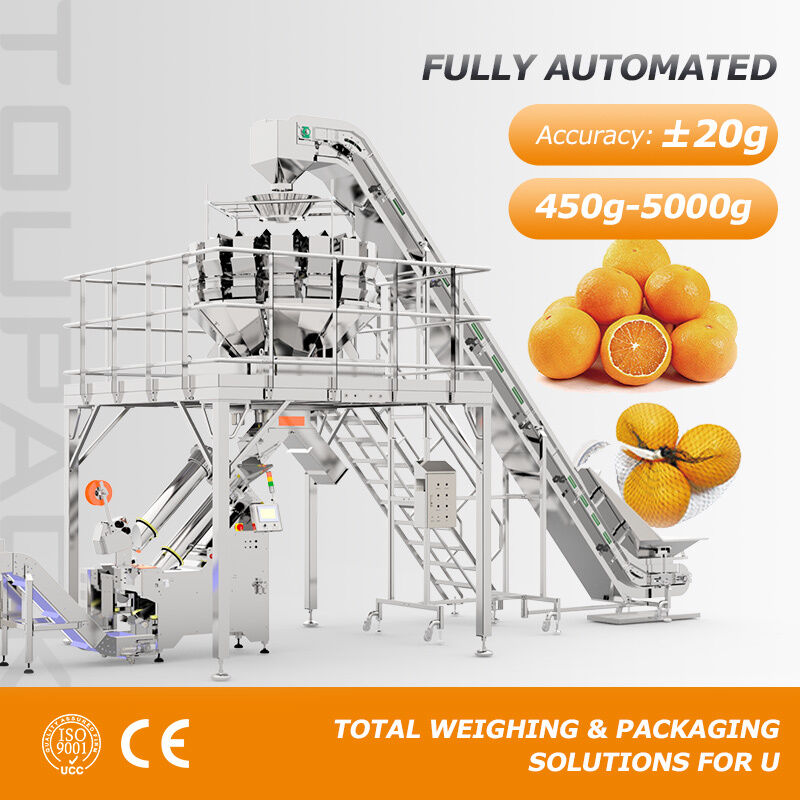
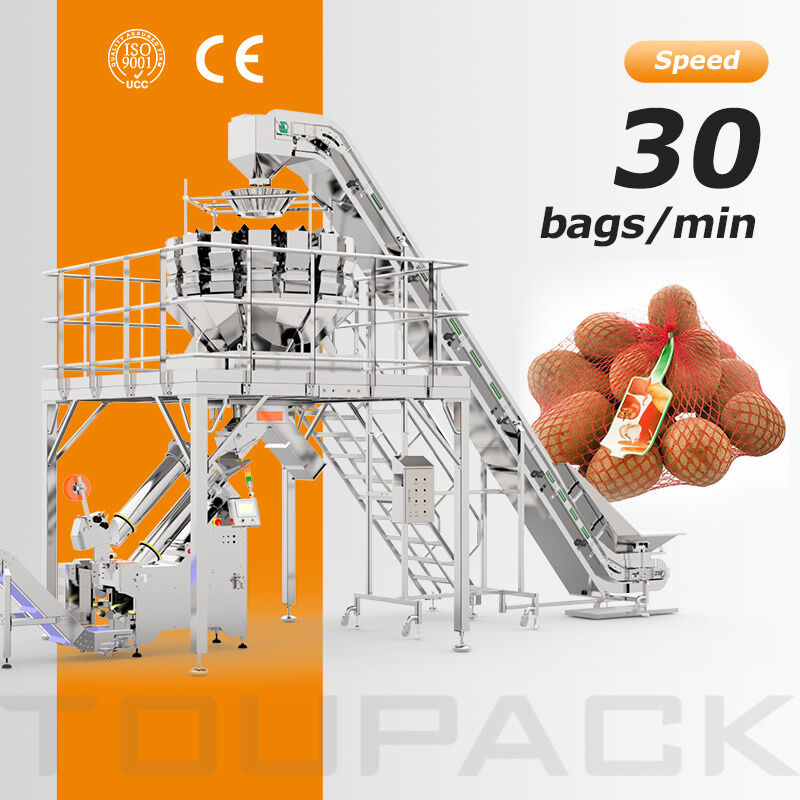
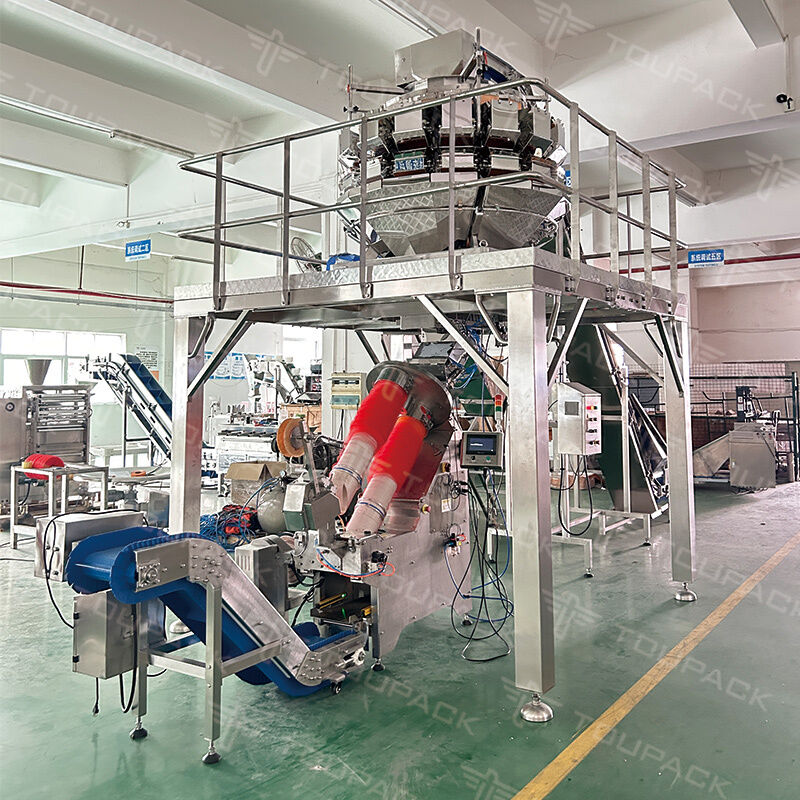
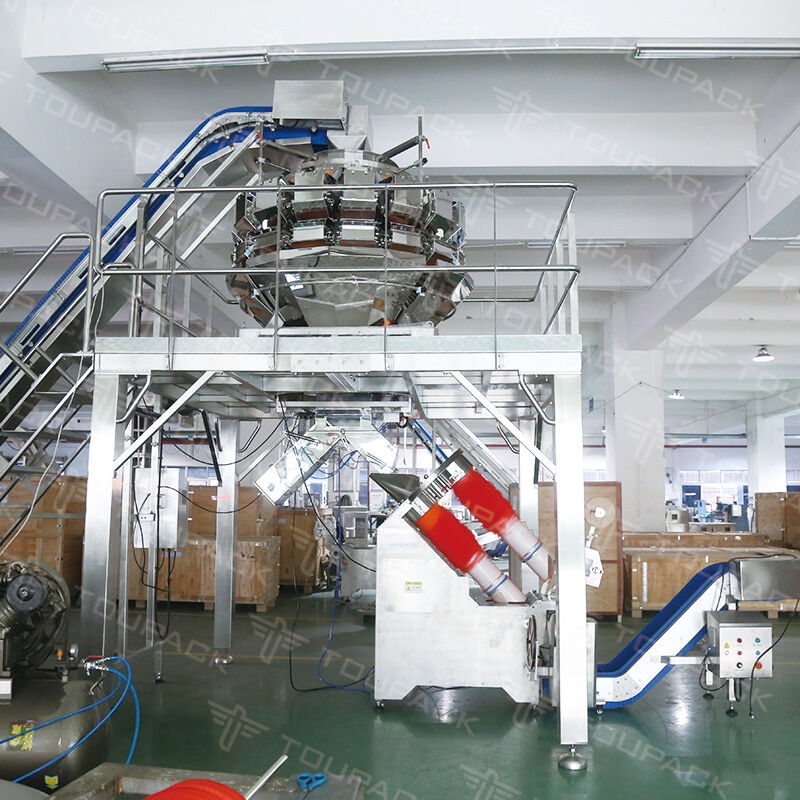
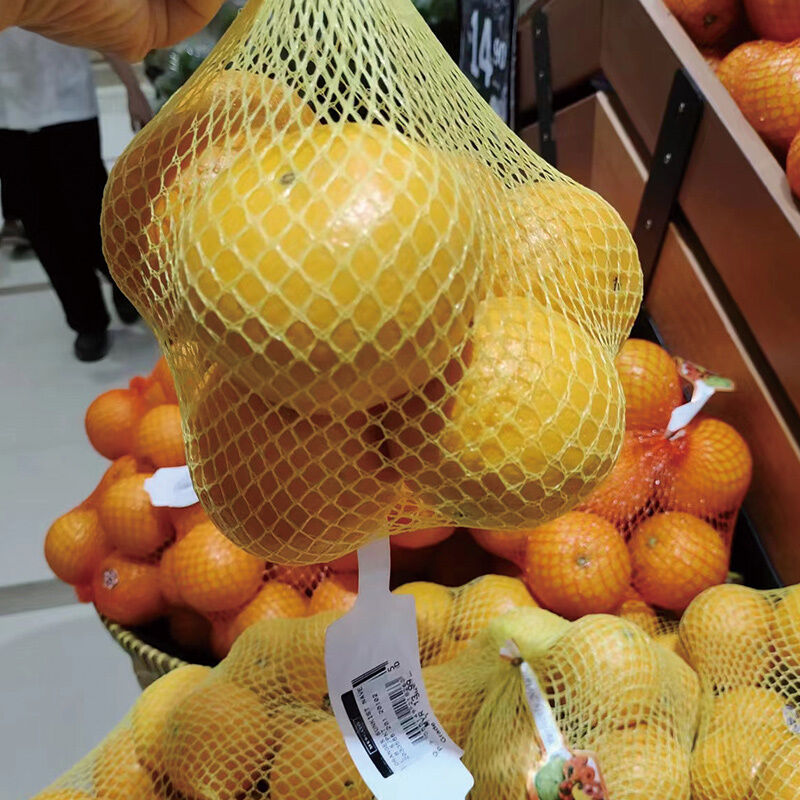
آلة تعبئة أكياس شبكة البصل
,نظام التعبئة الآلية للبطاطا
,آلة تعبئة شبكة الفواكه الحمضية
كيفية اختيار آلة حزم حقائب الشبكة المناسبة للبصل والبطاطا والفواكه الحمضية والمأكولات البحرية
مع استمرار ارتفاع تكاليف العمالة ومواجهة منتجي الأغذية لضغوط متزايدة لتحسين الكفاءة، المزيد من الشركات تستثمر في حلول التعبئة والتغليف الآلية.,الثوم، الليمون، البرتقال، الكستناء، المحار، والمأكولات البحرية، وتغليف الكيس الصافي لا يزال واحدا من أشهر أشكال التغليف في جميع أنحاء العالم.
ومع ذلك، ليست جميع آلات حزم الأكياس متشابهة.
اختيار الآلة الخاطئة يمكن أن يؤدي إلى انخفاض الإنتاجية، وزن غير دقيق، تلف المنتج، وتكاليف تشغيل غير ضرورية.يجب على المشترين تقييم خصائص منتجاتهم بعناية، احتياجات الإنتاج، وخطط التوسع المستقبلية.
سيساعدك هذا الدليل على فهم العوامل الرئيسية التي يجب مراعاتها عند اختيار حل حقيبة التعبئة الصحيحة.
1حدد نوع المنتج أولاً
السؤال الأول الذي يجب أن يطرحه كل مشتر هو
ما المنتج الذي سيتم تعبئته؟
المنتجات المختلفة تتطلب أنظمة تغذية ووزن مختلفة.
التطبيقات الشائعة تشمل:
-
البصل
-
البطاطا
-
الثوم
-
الليمونات
-
البرتقال
-
الفواكه الحمضية
-
الكستناء
-
الزنجبيل
-
الأفوكادو
-
المأكولات البحرية المجمدة
-
سمك القرش
-
المأكولات البحرية الطازجة
-
المنتجات الزراعية
لأن هذه المنتجات تختلف في الحجم والشكل وخصائص السطح، يجب اختيار نظام الوزن وفقا لذلك.
على سبيل المثال، البطاطس والبصل تحتاج إلى التعامل بلطف لتجنب الكدمات، في حين أن المحار والمأكولات البحرية غالبا ما تتطلب مكونات مقاومة للتآكل وتصميمات غسل.
2حدد وزن الحزمة المستهدف
وزن الحزمة يؤثر بشكل مباشر على تكوين الجهاز.
تتضمن أحجام حزم الأكياس النقية النموذجية:
-
500 غرام
-
1 كجم
-
2 كجم
-
3 كجم
-
5 كجم
بعض المنتجين يحتاجون إلى خيارات وزن متعددة على نفس خط الإنتاج.
عند تقييم الموردين، اسأل ما إذا كانت الآلة يمكن أن تتحول بسرعة بين أحجام مختلفة من الحزم دون تعديلات طويلة.
المعدات المرنة يمكن أن تقلل بشكل كبير من أوقات التوقف وتحسين كفاءة الإنتاج.
3. تقييم دقة الوزن
يركز العديد من المشترين فقط على سرعة التعبئة وتجاهل دقة الوزن.
في الواقع، الدقة تؤثر مباشرة على الربحية.
إذا تجاوزت كل حقيبة الوزن المستهدف ببضع غرامات فقط، يمكن أن تتراكم هبات المنتجات إلى خسائر كبيرة مع مرور الوقت.
آلة تحميل أكياس صافية عالية الجودة مجهزة بمزن متعدد الرؤوس يمكن أن توفر:
-
الوزن المتسق للحزمة
-
تخفيضات في إعطاء المنتجات
-
تحسين رضا العملاء
-
الامتثال الأفضل لمتطلبات التجزئة
بالنسبة للمنتجين الذين يتعاملون مع المنتجات ذات القيمة العالية مثل المأكولات البحرية، يصبح الدقة أكثر أهمية.
4النظر في سرعة التعبئة المطلوبة
قدرة الإنتاج تختلف بشكل كبير بين المرافق.
تتضمن متطلبات الإنتاج النموذجية:
العمليات الصغيرة
10~20 كيس في الدقيقة
مناسبة للمزارع المحلية والموزعين الإقليميين.
منشآت الإنتاج المتوسطة
20~40 كيس في الدقيقة
مثالية للشركات المتنامية التي تزود محلات السوبر ماركتات ومبيعات الجملة
المنتجين الصناعيين الكبار
40~80 كيس في الدقيقة أو أكثر
مصممة للعمليات الموجهة للتصدير ومصانع معالجة الأغذية على نطاق واسع.
السرعة المثلى تعتمد على خصائص المنتج، والوزن المستهدف، وشكل التعبئة.
بدلاً من الاعتماد فقط على مواصفات الكتالوج، يجب على المشترين طلب مقاطع فيديو الإنتاج الحقيقية من الموردين.
5. تحقق ما إذا كانت الآلة يمكن التعامل مع اختلافات المنتجات
نادراً ما يكون للمنتجات الزراعية أحجام موحدة.
قد تختلف البطاطس التي يتم حصادها من مواسم مختلفة اختلافا كبيرا.
نفس الشيء ينطبق على البصل والفواكه الحمضية والمحار.
يجب أن يكون نظام تغليف أكياس الشبكة الموثوق به قادرًا على التعامل مع:
-
أحجام مختلفة للمنتجات
-
أشكال غير منتظمة
-
التغيرات الموسمية
-
دفعات المنتجات المختلطة
أنظمة الوزن المتقدمة تُعدل تلقائيًا مجموعات الوزن للحفاظ على السرعة والدقة.
6ابحث عن الأتمتة خارج التعبئة
العديد من الشركات تشتري في البداية آلة حزم الأكياس ولكن لاحقاً تدرك أنها تحتاج إلى خط آلي كامل.
يمكن أن يدمج نظام التعبئة والتغليف الحديث:
-
ناقلات تغذية المنتجات
-
مصاعد الدلو
-
أجهزة قياس متعددة الرؤوس
-
أجهزة لتعبئة الأكياس
-
أنظمة قطع تلقائية
-
أنظمة التسمية
-
أجهزة قياس الشيكات
-
أجهزة الكشف عن المعادن
-
معدات التعبئة
-
أنظمة التقطيب
الاستثمار في حل قابل للتوسع يساعد على حماية خطط التوسع المستقبلية.
7التحقق من متطلبات النظافة والمتانة
بالنسبة لتطبيقات المأكولات البحرية والمنتجات الطازجة، فإن مدى استمرارية المعدات أمر بالغ الأهمية.
يجب على المشترين تقييم:
-
البناء من الفولاذ المقاوم للصدأ
-
مقاومة التآكل
-
تصميم سهل التنظيف
-
قدرة الغسل
-
أسطح اتصال ذات جودة غذائية
هذه الميزات تحسن عمر المعدات مع ضمان الامتثال لمعايير سلامة الأغذية.
8تقييم قدرة المورد على التخصيص
كل مصنع يعمل بشكل مختلف
تختلف قدرة الإنتاج وخصائص المنتج وتخطيط ورشة العمل ومتطلبات التعبئة والتغليف من عميل إلى آخر.
بدلاً من اختيار آلة قياسية، يستفيد العديد من المشترين من حلول مخصصة مصممة خصيصاً لمنتجاتهم وأهداف الإنتاج.
يجب أن يكون المصنع ذو الخبرة قادرًا على توفير:
-
تخطيطات خطوط مخصصة
-
حلول الوزن الخاصة بالمنتج
-
التكامل مع المعدات الحالية
-
خيارات الترقية المستقبلية
9لا تتجاهل دعم ما بعد البيع
الآلة نفسها جزء من الاستثمار
الخدمة الموثوقة بعد البيع مهمة أيضاً.
قبل الشراء، اسأل الموردين عن:
-
مساعدة التثبيت
-
الدعم الفني عن بعد
-
توفر قطع الغيار
-
تدريب المشغلين
-
سياسات الضمان
-
وقت الاستجابة
الدعم الفني السريع يمكن أن يقلل بشكل كبير من أوقات التوقف وحماية جداول الإنتاج.
لماذا يختار المزيد من المنتجين حلول تغليف أكياس توباك
توباك متخصصة في أنظمة التوزيع والتغليف الذكية للمنتجات الطازجة والمنتجات الزراعية والأغذية المجمدة وصناعات المأكولات البحرية.
حلول حزم حقائب الشبكة لدينا تجمع بين:
-
تكنولوجيا الوزن متعدد الرؤوس عالية الدقة
-
التشغيل المستقر والفعال
-
خيارات وزن الحزمة المرنة
-
خطوط إنتاج مصممة حسب الطلب
-
الاندماج مع أنظمة التسمية والتفتيش
-
الدعم الفني الشامل
سواء كنت تقوم بتعبئة البصل أو البطاطس أو الفواكه الحمضية أو الثوم أو الكستناء أو المأكولات البحرية ، يمكن أن توفر TOUPACK حلًا مخصصًا يتناسب مع متطلبات الإنتاج الخاصة بك وخطط النمو طويلة الأجل.
أفكار نهائية
اختيار آلة حزم حقائب الشبكة المناسبة ينطوي على أكثر بكثير من مقارنة الأسعار.
يجب أن يكون الحل الأمثل هو التوازن بين دقة الوزن، سرعة التعبئة والتعبئة، ومعالجة المنتج، ومستوى الأتمتة، والموثوقية على المدى الطويل.
من خلال تقييم منتجاتك، أهداف الإنتاج، وقدرات الموردين بعناية، يمكنك اختيار نظام تغليف يحسن الكفاءة،وتوفر جودة التعبئة والتغليف ثابتة لسنوات قادمة.
فيديو
فيديو
فيديو
أرسل استفسارك مباشرة إلينا